
Da Nang is one of the most popular destinations in Vietnam thanks to the harmonious combination of sea, mountains, culture, cuisine, and a well-developed tourism service system. Whether you are visiting for the first time or returning for the many-eth time, this coastal city always offers fresh experiences on every journey. In just a few days, visitors can catch the sunrise on My Khe beach, explore the Son Tra peninsula, conquer Ba Na Hills, stroll through Hoi An ancient town, and enjoy a variety of famous local specialties.
The article below will summarize the A-Z Da Nang self-sufficient travel handbook with full experience on travel timing, means of transport, accommodation, reference itineraries, sightseeing spots, must-try dishes as well as useful notes for you to have a memorable trip.
Why Is Da Nang Always a Favorite Destination?
It is no coincidence that Da Nang has been on the list of attractive destinations in Vietnam and Asia for many consecutive years. The city possesses a central location in Central Vietnam, conveniently connecting with Hue, Hoi An, and My Son, making it easy for visitors to combine multiple itineraries in the same trip. Besides, there is a modern transport infrastructure system with an international airport, train station, bus station, and a wide road network.
One of the factors that makes Da Nang score points is the balance between nature and urbanity. Within a radius of just a few dozen kilometers, visitors can experience the sea, mountains, primary forests, spiritual landmarks, entertainment areas, and world-class resorts. The clean and beautiful city, friendly people, and civilized tourism environment also contribute to creating a special attraction for domestic and foreign tourists.
Ideal Time to Travel to Da Nang
Da Nang has a tropical monsoon climate with two distinct seasons: the dry season and the rainy season. Each time of the year brings its own experiences; however, the period from March to August is usually considered the most beautiful season to explore the city.
During the dry season, the weather is sunny, the sea is clear blue, and there is little rain, which is very favorable for outdoor activities such as swimming, visiting Son Tra, Ba Na Hills, or experiencing water sports. This is also the time when many major cultural events and festivals take place, such as the Da Nang International Fireworks Festival.
From September to December is the rainy season. Although the weather may have sudden rains, this is a suitable time for those who love relaxation, spas, exploring cuisine, and enjoying the slower pace of the city with accommodation costs usually more affordable than the peak season.
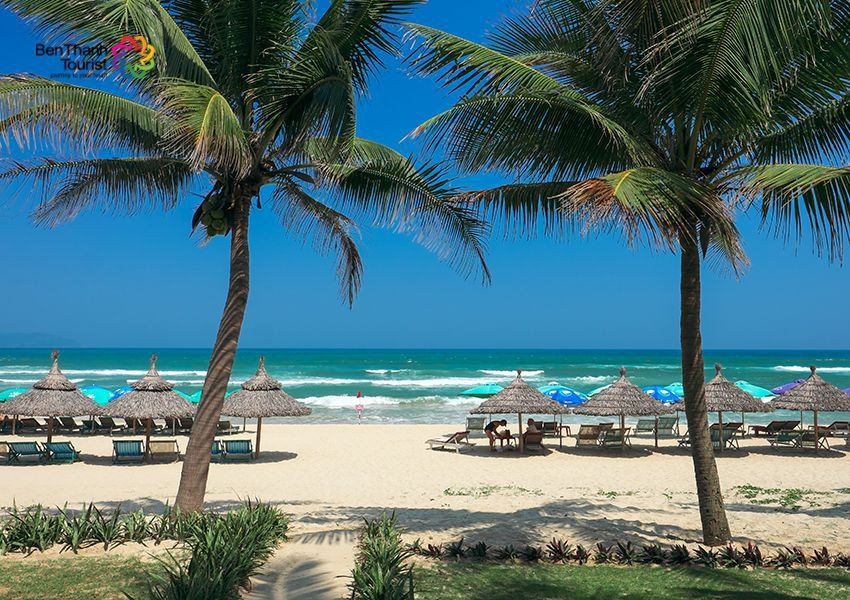
Photo source: Ben Thanh Tourist
Traveling to Da Nang
- Airplane: Is the most chosen means of transport thanks to the fast travel time. Da Nang International Airport is located right in the city center, so it only takes about 10–15 minutes to reach hotels or coastal resorts.
- Train: If you love sightseeing, the train is a choice worth considering. The railway line through Hai Van Pass is rated by many tourists as one of the most beautiful routes in Vietnam.
- Coach: Suitable for tourists departing from Central provinces or neighboring areas. Currently, there are many high-quality sleeper bus companies with flexible schedules.
- Personal vehicle: For those who like to explore, traveling by car or motorbike will help you be proactive with time and easily combine visiting many destinations on the journey.
Means of Transport Within the City
The transport system in Da Nang is quite convenient, making moving between sightseeing spots easy.
You can choose:
- Taxi.
- Ride-hailing apps.
- Motorbike rental.
- Self-drive car rental.
- Public bus.
If you want to explore the city at a slower pace, renting a bicycle to ride around the coastal roads or along the Han River is also an interesting experience.
Where to Stay When Traveling to Da Nang?
Da Nang possesses a diverse accommodation system, meeting many different needs of tourists, from hotels located right in the city center to high-end coastal resorts. Depending on the purpose of the trip, budget, and sightseeing schedule, you can choose a suitable accommodation area to optimize your city exploration experience.
- Hai Chau Central Area
This is an ideal choice for tourists who love the vibrant atmosphere of the city. Staying in the Hai Chau area helps you easily access famous places such as Han Market, Con Market, Dragon Bridge, Love Bridge, Da Nang Museum, or busy culinary streets.
- My Khe – My An Beach Area
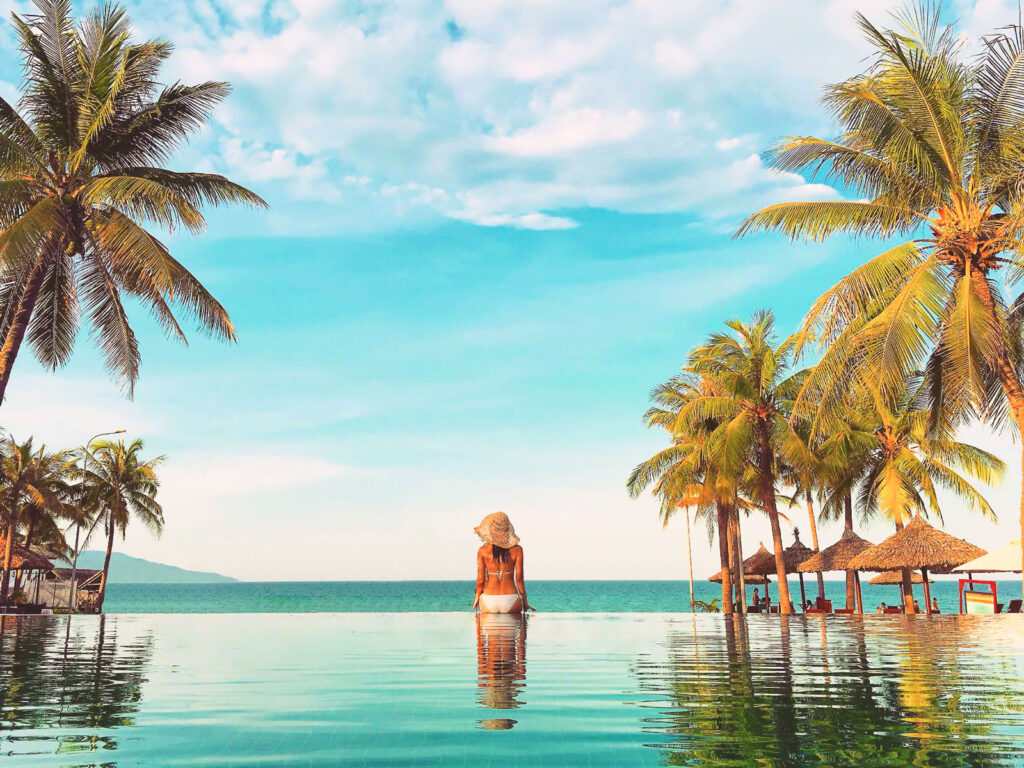
From here, you can easily catch the sunrise on the sea, enjoy fresh seafood, walk along the coast in the evening, and quickly move to famous sightseeing spots such as Son Tra Peninsula, Marble Mountains, or the city center. This area also concentrates many high-end hotels and resorts, meeting a variety of needs from family travel and couples to business guests.
Located right on Bac My An beach, Furama Resort Da Nang is one of the long-standing resorts chosen by many domestic and international tourists. With a favorable location, it only takes about 15 minutes from the resort to Da Nang International Airport, while also easily connecting to Hoi An, Ba Na Hills, and other famous tourist spots.
- Ngu Hanh Son Area (Marble Mountains)
Suitable for tourists who want to combine relaxation with sightseeing and experience activities. From here, moving to the Marble Mountains landmark, Hoi An ancient town, international golf courses, or the beautiful beaches of Da Nang is very convenient. The quiet space and lower construction density than the central area also help many tourists feel more relaxed during their vacation.
Must-Visit Sightseeing Spots
- My Khe Beach
Voted by many international travel magazines as one of the most beautiful beaches on the planet, My Khe is always on the list of most favorite destinations when visiting Da Nang. The beach impresses with its fine white sand, clear blue water, and gentle slope, suitable for both swimming and beach activities.
- Son Tra Peninsula
Considered the “green lung” of Da Nang, Son Tra Peninsula is a place where primary forest and sea harmonize. The winding roads around the mountainside open up many spectacular viewpoints, helping visitors capture the whole city and the ocean in their sight. This is also where Linh Ung Pagoda is located with the famous 67-meter high Lady Buddha statue, along with many sightseeing spots such as Ban Co Peak, the thousand-year-old banyan tree, and Bai But.
- Ba Na Hills
Is an indispensable destination in the journey of many tourists. Located at an altitude of nearly 1,500 meters above sea level, the tourist area is famous for its cool climate year-round and a cable car system that has achieved many world records. Visitors can visit the Golden Bridge, explore the French Village, have fun at Fantasy Park, or walk among the brilliant flower gardens.
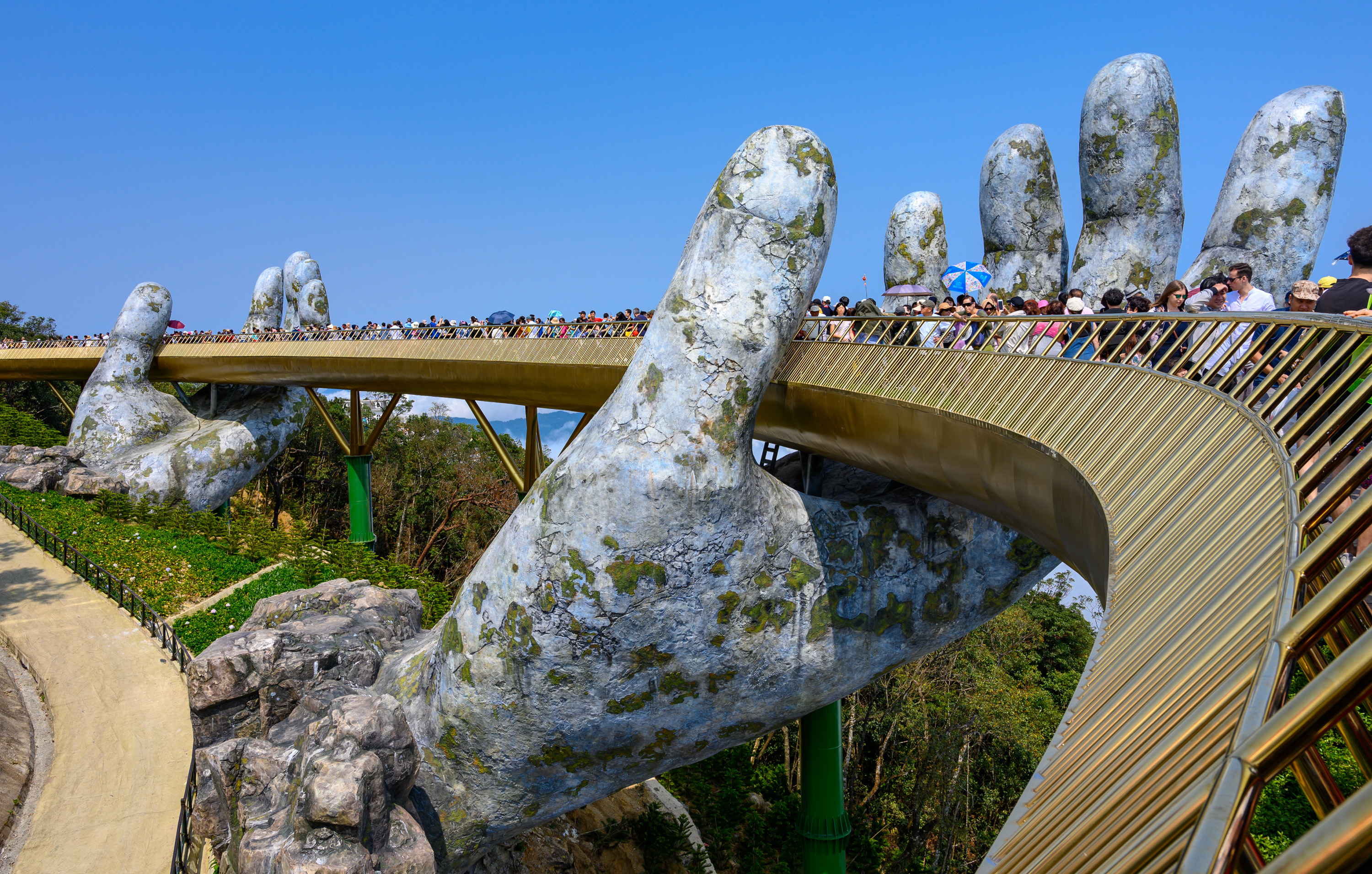
Golden Bridge at Ba Na Hills. Photo source: Wikimedia Commons
- Marble Mountains (Ngu Hanh Son)
Is a complex of five limestone mountains named Metal, Wood, Water, Fire, and Earth, associated with many historical, cultural, and religious values of Central Vietnam. Coming here, visitors can explore mysterious caves, visit ancient pagodas, and look at the panoramic view of Da Nang beach from above. Right at the foot of the mountain is the famous Non Nuoc stone carving village, where the traditional stone crafting profession is preserved with many sophisticated handicraft products created by local artisans.
- Iconic Bridges of the City
Da Nang is known as the “city of bridges,” each structure carries its own architectural style and story. Dragon Bridge impresses with its fire and water breathing performance on weekends; Han River Bridge is famous for its ability to rotate for large ships to pass; Thuan Phuoc Bridge is a favorite sunset viewing spot for many; while Love Bridge attracts couples with its romantic space by the Han River.
- Han Market & Con Market
Han Market is famous for Central Vietnamese specialties, dried seafood, candies, and souvenirs, while Con Market is loved by many for its rich culinary area with Quang-style noodles (Mi Quang), vermicelli with fermented fish sauce (Bun mam nem), Vietnamese pancakes (Banh xeo), lemongrass pork skewers (Nem lui), and many other rustic dishes. Spending a session strolling around these two markets will help you understand more about the culture, cuisine, and daily life of Da Nang people.
- Museums Rich in Cultural Imprints
Besides famous beaches and landmarks, Da Nang also possesses many museums that help visitors better understand the history, culture, and art of the city, such as the Da Nang Museum, Cham Sculpture Museum, 3D Art in Paradise Da Nang Museum, and Da Nang Fine Arts Museum.
What to Eat When Coming to Da Nang?
Cuisine is always an indispensable part of the journey to explore the city.
Must-try dishes include:
- Quang-style noodles (Mi Quang).
- Fish cake noodles.
- Vermicelli with fermented fish sauce (Bun mam nem).
- Rice paper rolls with pork.
- Vietnamese pancakes (Banh xeo).
- Lemongrass pork skewers (Nem lui).
- Fresh seafood.
- Nam O fish salad.
- Avocado ice cream.
- Durian sweet soup.
In addition to local eateries, Da Nang also possesses many high-end restaurants serving Vietnamese and international cuisine, suitable for many different experience needs.

Notes for Self-Sufficient Travel to Da Nang
To make the trip go smoothly, you should book flight tickets and rooms early if traveling during peak season or holidays. Monitoring the weather forecast before the trip also helps in arranging a more reasonable schedule, especially when planning to visit Son Tra or Ba Na Hills.
Besides, prepare sunscreen, hats, sunglasses, and comfortable footwear because most sightseeing spots require quite a lot of walking. If you plan to rent a motorbike, don’t forget to bring your driver’s license and comply with traffic regulations to ensure safety throughout the journey.
Explore Da Nang Your Own Way
Da Nang is a destination that can satisfy many groups of tourists with different needs. Nature lovers will find beautiful beaches and majestic mountain coastal roads, culture enthusiasts can explore relics, traditional markets, and long-standing craft villages, while those who love relaxation will easily enjoy high-end resorts by the beach.
A well-prepared self-sufficient trip will help you be more proactive in every experience and have more time to feel the beauty of the city in your own way. Whether staying for just a few days or spending a long vacation, Da Nang always brings memorable moments, from sunrise on the sea, sunset by the Han River to moments of relaxation in a peaceful resort space. This is also the reason why many tourists always want to return to this beautiful coastal city after every trip.


